
VTL Machining Services
Precision VTL Machining Services for Heavy Industrial Components
In modern manufacturing, precision, consistency, and component reliability are essential for producing industrial equipment that performs under demanding operating conditions. VTL Machining Services play an important role in manufacturing large, heavy, and circular components that require accurate dimensions and a suitable surface finish. Vertical Turret Lathe (VTL) machining is widely used for workpieces that can be difficult to handle using conventional horizontal turning equipment.
Master Group provides industrial engineering and manufacturing solutions for demanding applications. For businesses looking for suitable machining support, understanding machine capacity, component geometry, material requirements, and quality expectations is an important part of selecting the right manufacturing partner.
VTL machining is particularly useful for components with large diameters, substantial weight, and rotational symmetry. Depending on machine configuration, these components may include industrial flanges, rings, discs, housings, and other engineered parts. Selecting an appropriate machining process helps manufacturers meet design specifications and maintain consistent production quality.
What Is VTL Machining?
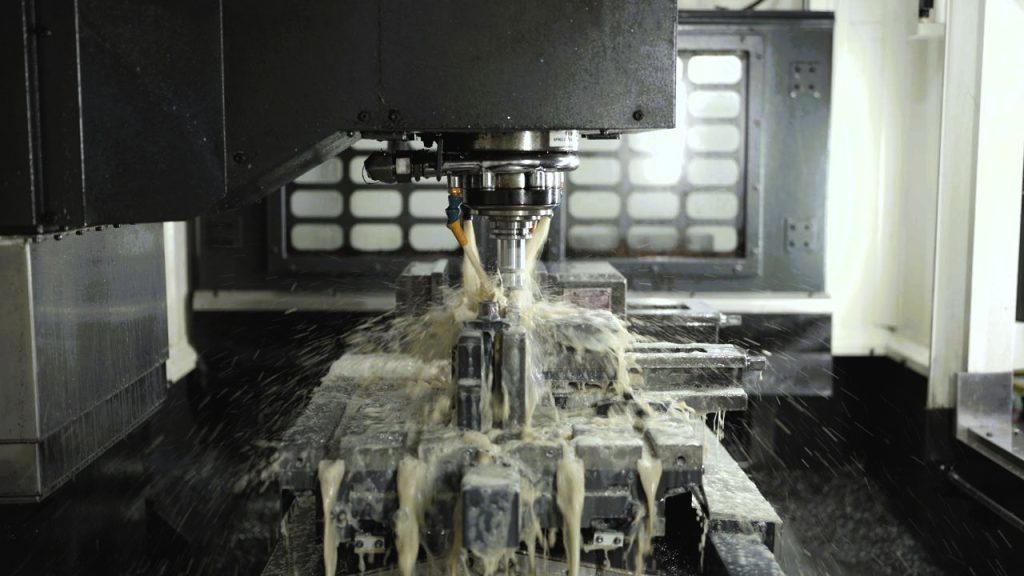
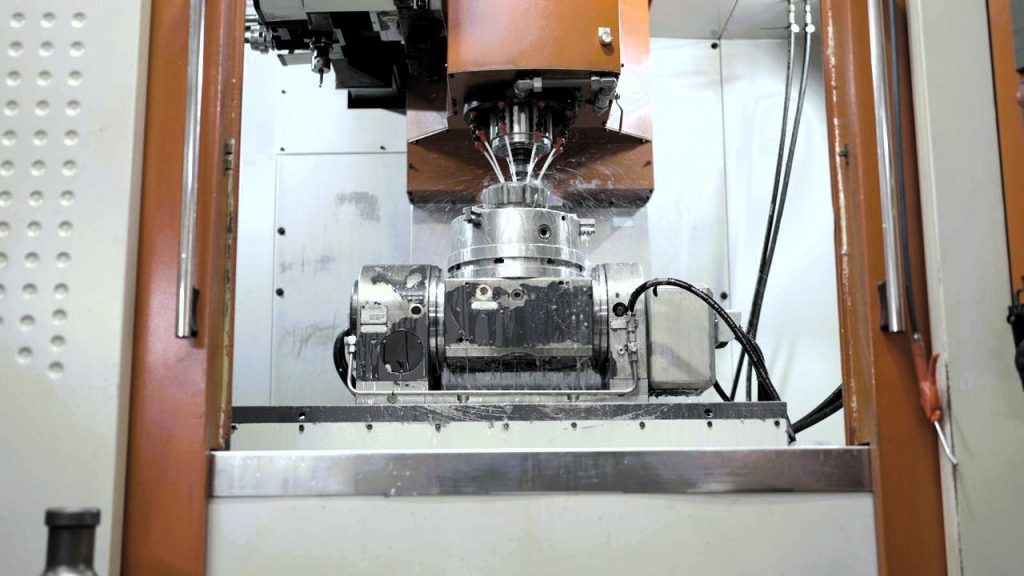
Vertical Turret Lathe machining is a metal-cutting process in which a workpiece is held and rotated on a horizontal table while cutting tools approach it from a vertical arrangement. The vertical setup can provide practical advantages when machining large or heavy workpieces that need secure support during processing.
Unlike a conventional horizontal lathe, a VTL positions the workpiece vertically. This arrangement can make loading and supporting certain heavy components more manageable, depending on the machine design and workpiece dimensions. The cutting tool removes material from the rotating component to achieve the required shape, dimensions, and surface characteristics.
Professional VTL Machining Services may involve operations such as facing, external turning, internal boring, grooving, and other machining tasks supported by the available machine and tooling. The specific operations depend on the component drawing, material, tolerances, and manufacturing requirements.
VTL machining is not limited to a single industry. It can support various manufacturing and maintenance applications where components have large diameters or require precise circular machining. Before production begins, the component design and machine capacity should be evaluated to confirm process suitability.
Our Approach to VTL Machining Services
Every industrial component has its own functional requirements. Some parts require accurate face dimensions, while others need specific bore sizes, concentricity, or surface finish. A well-planned machining process begins with understanding these requirements before selecting the appropriate tooling and machining sequence.
When assessing VTL Machining Services, manufacturers should consider the workpiece dimensions, total weight, material properties, drawing tolerances, and production quantity. These factors help determine whether a particular machine can safely and efficiently complete the job.
The manufacturing process may begin with a review of engineering drawings or an existing component sample. Important dimensions and tolerances should be identified before machining. The workpiece is then prepared and secured according to the machine setup, and suitable cutting tools are selected for the material and operation.
During machining, the operator follows the planned process to remove material and achieve the required geometry. Depending on the component, intermediate measurements may be necessary to monitor dimensions and maintain accuracy. Final inspection checks whether the finished component meets the agreed specifications.
This systematic approach supports better process control and helps reduce the risk of dimensional errors, rework, and unnecessary material waste.
Industrial Components Manufactured Through VTL Machining
VTL machining can be suitable for a wide variety of large circular and rotational components. Actual suitability depends on machine capacity, tooling availability, component design, and the material being processed.
Large-Diameter Flanges
Flanges are used in many industrial assemblies to connect, support, or position components. Their dimensions and face characteristics can influence assembly fit and sealing performance. VTL machining can be used for suitable flange designs where accurate facing, turning, or boring operations are required.
Industrial Rings and Discs
Large rings and discs are found in industrial machinery, equipment assemblies, and selected heavy engineering applications. Their machining requirements may include external diameters, internal openings, flat faces, and specified surface finishes.
Housings and Circular Casings
Certain industrial housings and casings require machining of circular faces, mounting surfaces, or internal bores. VTL machining can support these operations when the component geometry and machine configuration are compatible.
Heavy Machinery Components
Some heavy machinery parts have large diameters or substantial weight, making vertical workpiece positioning useful. Suitable components can be machined to meet the dimensions and functional requirements specified in the engineering drawing.
Custom-Engineered Components
Industrial buyers may require components that are not available as standard catalogue parts. In these cases, VTL Machining Services may be considered for manufacturing or finishing parts according to approved drawings, dimensions, and technical specifications.
Industries That Use VTL Machining
Heavy Engineering
Heavy engineering manufacturers produce equipment and components used in large industrial installations. VTL machining can support selected parts requiring large-diameter turning, facing, or boring operations.
Mining and Material Handling
Mining and material-handling equipment operates under demanding conditions. Depending on the design, some circular components, housings, and machinery parts may require precision machining during manufacture or maintenance.
Cement and Steel Plants
Cement and steel production facilities use heavy industrial machinery that may contain large rotating or circular components. Appropriate machining processes can support the manufacture, refurbishment, or replacement of selected parts.
Power and Energy Equipment
Certain power-generation and energy-related applications require components with controlled dimensions and carefully prepared surfaces. VTL machining may be suitable for specific workpieces, subject to the applicable engineering and inspection requirements.
General Industrial Manufacturing
Manufacturers across different sectors use circular components in machines, assemblies, and production equipment. The suitability of VTL machining depends on part geometry, required tolerances, and available machine capacity.
Benefits of Professional VTL Machining Services
Choosing the right machining process can help manufacturers achieve the dimensional and functional requirements of their components. The benefits depend on machine condition, operator skill, process planning, and inspection practices.
Suitable for Large and Heavy Workpieces
The vertical table arrangement is useful for many large, heavy components that are difficult to support on conventional turning equipment. Correct workholding and machine capacity remain essential for safe and accurate machining.
Improved Dimensional Control
A planned machining process, appropriate cutting tools, and suitable measuring equipment help maintain dimensions within the specified tolerances. Inspection requirements should be established before production begins.
Consistent Surface Finish
Surface finish can affect the fit, function, and appearance of an industrial component. Suitable tool selection, cutting conditions, and machine setup can help achieve the required finish.
Support for Complex Machining Requirements
Some components require several machining operations to complete their geometry. Depending on the machine configuration, VTL machining may support multiple operations within a planned setup, helping reduce unnecessary handling.
Better Production Planning
Clear technical specifications and an appropriate machining sequence can improve workflow planning. Reviewing drawings, materials, and quantities in advance can also help identify potential manufacturing challenges before work begins.
Materials Used in VTL Machining
The material selected for an industrial component influences its strength, wear behaviour, machinability, and performance in service. Depending on the available equipment and tooling, VTL machining may be suitable for materials such as carbon steel, alloy steel, cast iron, and certain non-ferrous metals.
Carbon steel is used in many structural and mechanical applications because its properties can suit a wide range of component requirements. Alloy steels may be selected when specific mechanical properties are needed. Cast iron is used in selected housings and machine components, while non-ferrous metals may be suitable for applications with particular weight, corrosion, or conductivity requirements.
Material selection should be based on engineering specifications rather than machining convenience alone. Buyers should communicate the required material grade, heat-treatment condition where applicable, and any relevant industry standards before production.
When discussing VTL Machining Services, providing accurate material information helps the manufacturer assess tooling requirements, cutting conditions, and the expected machining process.
Quality Control in VTL Machining
Quality control is an important part of industrial component manufacturing. A finished component must meet the agreed dimensional requirements and be suitable for its intended application.
The inspection process may include checking outside diameters, internal bores, face dimensions, overall height, and other critical features identified on the drawing. Depending on the specification, surface finish, geometric accuracy, and material documentation may also need to be reviewed.
Inspection equipment should be suitable for the dimensions and tolerance requirements of the component. Measurement methods and acceptance criteria should be agreed before manufacturing begins, particularly when the part is large, heavy, or used in a critical assembly.
Good communication between the customer and manufacturer helps clarify drawing revisions, measurement requirements, and acceptance criteria. This can reduce misunderstandings and support a smoother manufacturing process.
How to Choose the Right VTL Machining Partner
Selecting a machining partner involves more than comparing prices. Buyers should assess whether the manufacturer has the equipment, technical understanding, and quality processes needed for the job.
Start by confirming the maximum workpiece diameter, weight, and height that the machine can accommodate. Check whether the required material and machining operations are supported by the available equipment. These checks help avoid delays caused by unsuitable machine capacity.
Next, discuss dimensional tolerances, surface finish, inspection requirements, delivery expectations, and production quantity. Sharing a complete drawing is usually more helpful than providing dimensions alone because it shows how the component features relate to one another.
Ask how critical dimensions will be inspected and what documentation can be supplied when required. For repeat orders, clear specifications and an agreed inspection approach can help maintain consistency between batches.
A reliable manufacturing relationship is built on accurate technical information, realistic production planning, transparent communication, and a shared understanding of quality expectations.
Why Consider Master Group?
Master Group provides industrial engineering and manufacturing solutions for demanding industrial requirements. Businesses evaluating VTL Machining Services can share their component details with the team to discuss the application and determine whether the job fits the company’s actual capabilities.
For an effective technical enquiry, include the component drawing, material grade, maximum diameter, overall dimensions, required tolerances, surface finish, quantity, and expected delivery schedule. If the component is a replacement part, an existing sample or clear photographs may also help explain the requirement.
Manufacturing capability should always be confirmed against the specific component. This ensures that machine capacity, available processes, inspection methods, and delivery expectations are considered before an order is finalised.
To discuss your industrial component requirements, visit the Master Group contact page and provide the relevant technical information.
Frequently Asked Questions
1. What are VTL Machining Services?
2. Which components can be machined using a VTL?
3. Which materials can be used for VTL machining?
4. What information should I provide for a machining quotation?
5. How can I enquire about VTL machining at Master Group?
Contact Master Group for VTL Machining Enquiries
If your business requires machining for large circular components or heavy industrial parts, start by preparing the technical drawings and manufacturing specifications. Clear information helps establish whether the component is suitable for the available process and equipment.
Phone: +91 90350 45216
Email: info@mastergroup.co.in
Website: https://mastergroup.co.in/